Traditions
traditions By Region
The same wedding is never the same wedding twice. A plain guide to customs couples in Atlanta ask about, from Gujarat to Tamil Nadu, Punjab to Pakistan and Sri Lanka.
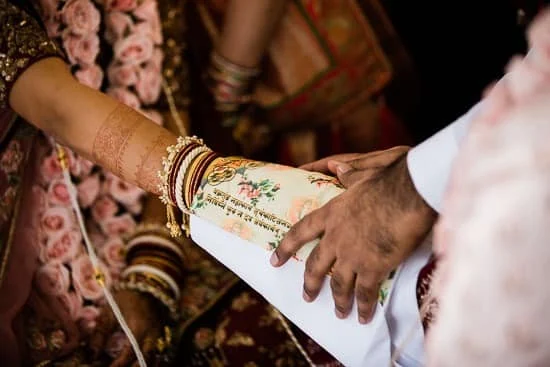
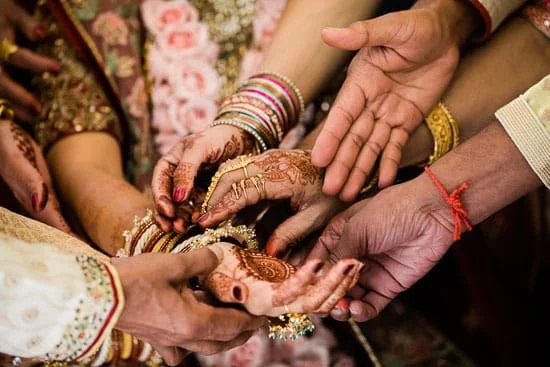
South Asian weddings in Atlanta bring together families from every corner of the subcontinent, and very often two different corners in one wedding. Below are customs that families from each region often include. Treat every line as often, not always. Your elders and your priest know how your family does it, and that is the version that matters.
01
Gujarati
Many Gujarati weddings include a pithi with turmeric, a garba or raas night with circle dances, the mameru when the bride's maternal uncle brings gifts, the jaan as the groom's procession and the ponkhvu as the welcome at the door. Many ceremonies have four pheras, often called the mangal phera. The groom's shoes are often hidden by the bride's sisters.
02
Punjabi
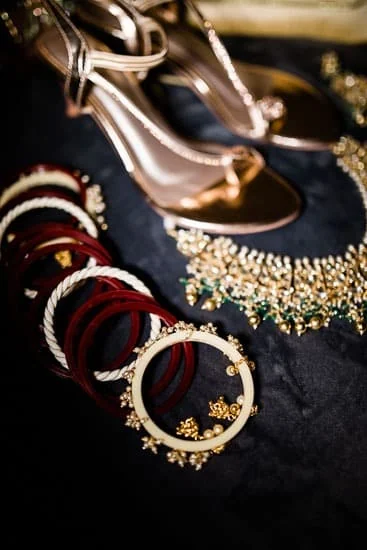
Punjabi Hindu and Sikh weddings often include a maiyan with turmeric paste, the chooda ceremony when the bride's maternal uncles give red and white bangles, kaleere tied to the bangles, a jaggo night with a lit pot and singing in the street, the sehra for the groom, a baraat on a ghodi and the milni when the families meet.
03
Telugu
Many Telugu weddings include pellikuthuru and pellikoduku rituals that prepare the bride and groom, a cloth screen held between the couple until the muhurat, jeelakarra bellam placed on each other's heads at the muhurat, the tying of the mangalsutra and talambralu, when the couple showers each other with rice.
04
Tamil
Many Tamil weddings include the nichayathartham engagement, the kashi yatra when the groom pretends to leave for a life of study, maalai maatral where the couple exchange garlands three times, the oonjal swing, the tying of the thali and the saptapadi. Muhurats are often in the early morning.
05
Bengali And Bangladeshi
Bengali Hindu weddings often include the gaye holud, the bride carried on a wooden seat called a piri, subho drishti when she uncovers her face with betel leaves, and sindoor daan. Bangladeshi Muslim weddings often include a gaye holud, the nikah and a walima.
06
Pakistani
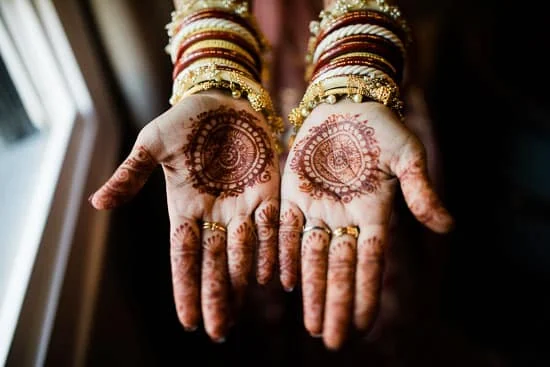
Many Pakistani weddings include dholki evenings with songs, a mayun with ubtan, a mehndi night, the baraat when the groom's family arrives for the nikah or reception, playful joota chupai, the rukhsati when the bride leaves her family, and the walima hosted by the groom's family.
07
Sri Lankan
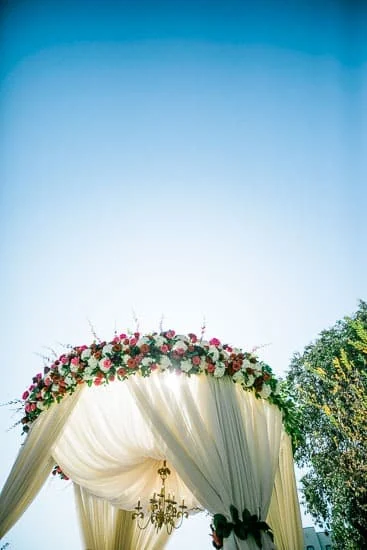
Sinhalese Buddhist weddings center on the poruwa, a decorated platform where the couple stand, with rituals such as tying the couple's fingers with thread while verses are chanted. Sri Lankan Tamil Hindu weddings share many rituals with Tamil weddings in India.
08
Nepali
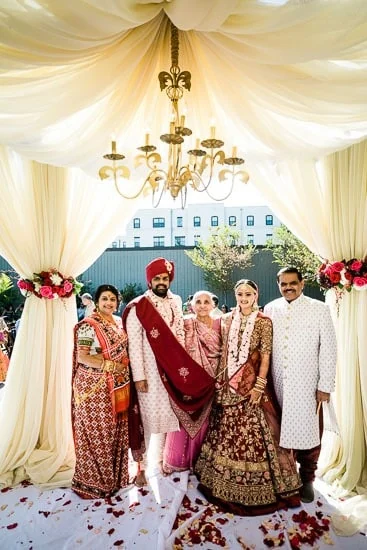
Nepali Hindu weddings often include the janti, the groom's procession, sindoor and the pote, a bead necklace given to the bride, along with a fire ceremony and blessings from elders. Families from different parts of Nepal follow different customs.
Your Family Version
Send me the rituals your family keeps and I will know when to be ready for each one.
Common Words, Plainly
| Word | What It Usually Means |
|---|---|
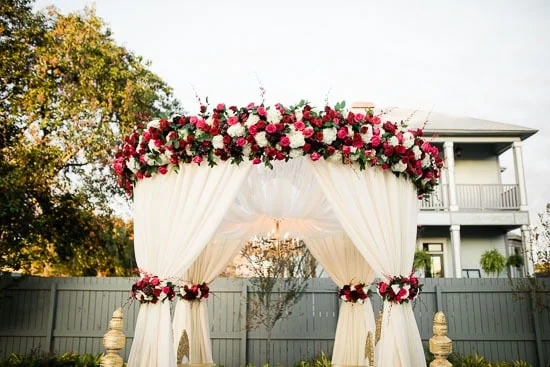
| Mandap | The canopy where a Hindu ceremony takes place |
| Muhurat | An auspicious time for the ceremony |
| Pheras | Rounds the couple walk around the sacred fire |
| Saptapadi | Seven steps or vows taken together |
| Mangalsutra | A sacred necklace the groom ties for the bride |
| Laavan | The four hymns and rounds of the Sikh Anand Karaj |
| Nikah | The Islamic marriage contract |
| Walima | The reception hosted by the groom's family after a nikah |
| Milni | The meeting of the two families at a Punjabi wedding |
| Vidaai or rukhsati | The bride's farewell from her family |
When The Two Families Come From Different Regions
Many Atlanta couples come from two different parts of South Asia, or from two different countries in the diaspora. A Gujarati bride marrying a Tamil groom, or a Punjabi family joining a Bengali one, means two sets of customs, two ideas of the ceremony, and sometimes two languages on the same stage.
The happiest weddings I photograph treat this as a gift, not a negotiation. Some couples hold the ceremony in one tradition and the pre wedding events in the other. Some include steps from both inside one ceremony, with each priest leading part of it. Some hold two short ceremonies back to back. Ask both sets of elders which steps they care about most, and you often find the overlap is bigger than you expected.
Put a line on the website or program explaining which tradition each event follows. Guests from both sides will learn something, and the families feel seen.
Clothes, Colors And Jewelry Across Regions
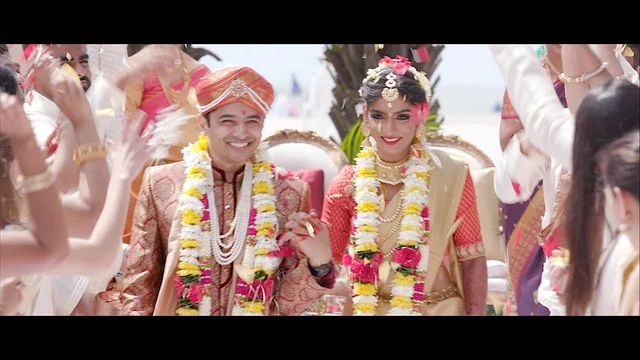
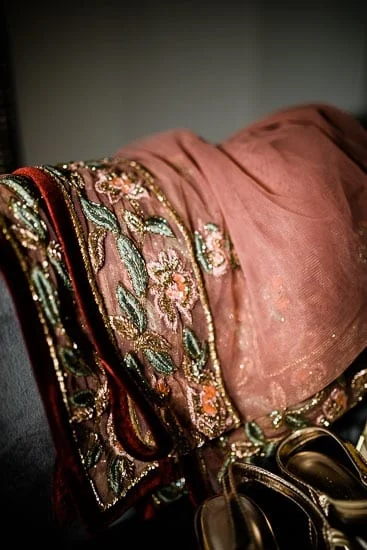
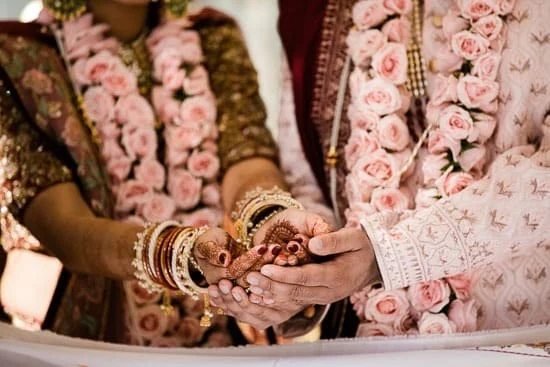
Wedding clothes change as much as the rituals. Many North Indian brides wear a red or deep pink lehenga. Many Gujarati brides wear a white and red panetar or a red gharchola sari for the ceremony. Many South Indian brides wear a silk sari, often in rich gold, red or green, with temple jewelry. Bengali brides often wear red and white with a decorated headpiece. Pakistani brides may wear red for the baraat and a softer color for the walima.
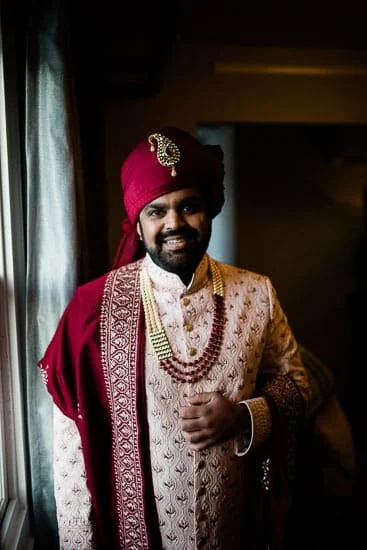
Grooms vary too. A sherwani with a sehra or a turban is common in the north. A veshti and angavastram is common in the south. Sikh grooms usually wear a turban, often in a color matched to the wedding.
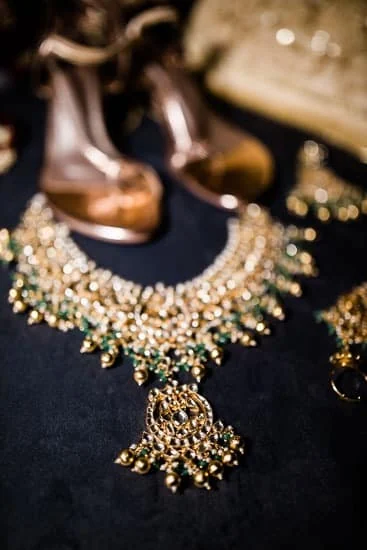
Jewelry often carries the most meaning. Mangalsutras, thalis, kaleeras, chooda bangles and nose rings all belong to particular families and regions. Ask your elders which pieces are part of your tradition, and plan time for them in the getting ready photographs.
Questions Couples Ask
Is this list complete?
No. Every region, community and family has its own customs, and they change from home to home. Use it as a starting point for a conversation with your elders.
Can we mix traditions from two regions?
Yes, and many Atlanta couples do. Two families from different regions often hold a ceremony with rituals from both, with both priests or elders guiding.
Who decides the ceremony rituals?
Usually your priest with your families. Tell your photographer the final list so nothing important is missed.
What is a muhurat?
An auspicious time for the ceremony, chosen by a priest using the couple's details. Many Hindu weddings set the ceremony time by it.
Do Sri Lankan and Nepali weddings follow Indian customs?
They share some and have their own. A Sinhalese Buddhist wedding centers on the poruwa, and Nepali Hindu weddings have their own rituals and dress.